Description
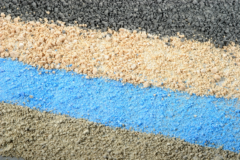
Used after either acid pickling or mechanical descaling (brushes, shot blasting), the VICAFIL TS range of non-reactive surface treatments improves wire-drawing performance. This technology allows better pick-up of the wire-drawing soap through the creation of optimal roughness.
Widely used for stainless steels, the formulations of the VICAFIL TS range based on non-reactive mineral salts offer an alternative to the reactive treatment based on zinc phosphate and/or borax for the high-carbon steels.
To learn more, contact our experts for the optimal recommendation for your application.
Product benefits
- Product less toxic for the environment and operators
- Reduction in total costs: fewer steps to prepare the wire, reduced waste management costs
HSE
More respectful technology
To reduce the impact of Borax labelling and future imperatives in the framework of the European REACH regulation, CONDAT already offers its main formulations in Low Borax and even Zero Borax versions to comply with the most stringent requirements.